
Commentary by VINCENT KHOO
31 March 2026
US-Israel attack on Iran has unleashed ‘Trump-dora’s’ Box, which potentially leads to a prolonged counterattack by Iran against US-friendly nations’ oil producing and manufacturing infrastructure in the Middle East. This worsens the current global shortage (supply shock) of a wide range of commodities including aluminium and steel, fertilisers, plastic resins, specialty gases etc. Like the US, Malaysian equities may underestimate the impact of the resulting supply shock to the global economic and capital markets.
Firstly, there are wide concerns that Malaysia’s federal deficit will significantly widen should Brent crude oil price sustain well above US$100/bbl (US$150-200/bbl in the severe-to-extreme cases), due to ballooning petrol subsidies. A higher deficit weakens the ringgit against the US dollar.
Although the first wave (direct) impact of the supply shock may be only slightly negative to corporate earnings, channel checks in some cases indicate steep cost inflation to high energy-consuming sectors, even before considering the secondary effects (i.e. the broadening of inflationary pressures and falling demand).

The secondary (indirect) wave effects are likely to manifest by 2H26 via general inflation and weaker demand. As explosive energy costs rumble into the economy, general inflation will crank up and in turn, weaken external/domestic demand and ultimately the corporate earnings outlook. Naturally, the cyclical and price-sensitive sectors could be more impacted.
Sectors most impacted by the first wave of cost hikes include most prominently manufacturers (plastic and glove), aviation, construction and building materials (except Press Metal), and agriculture-related sectors.
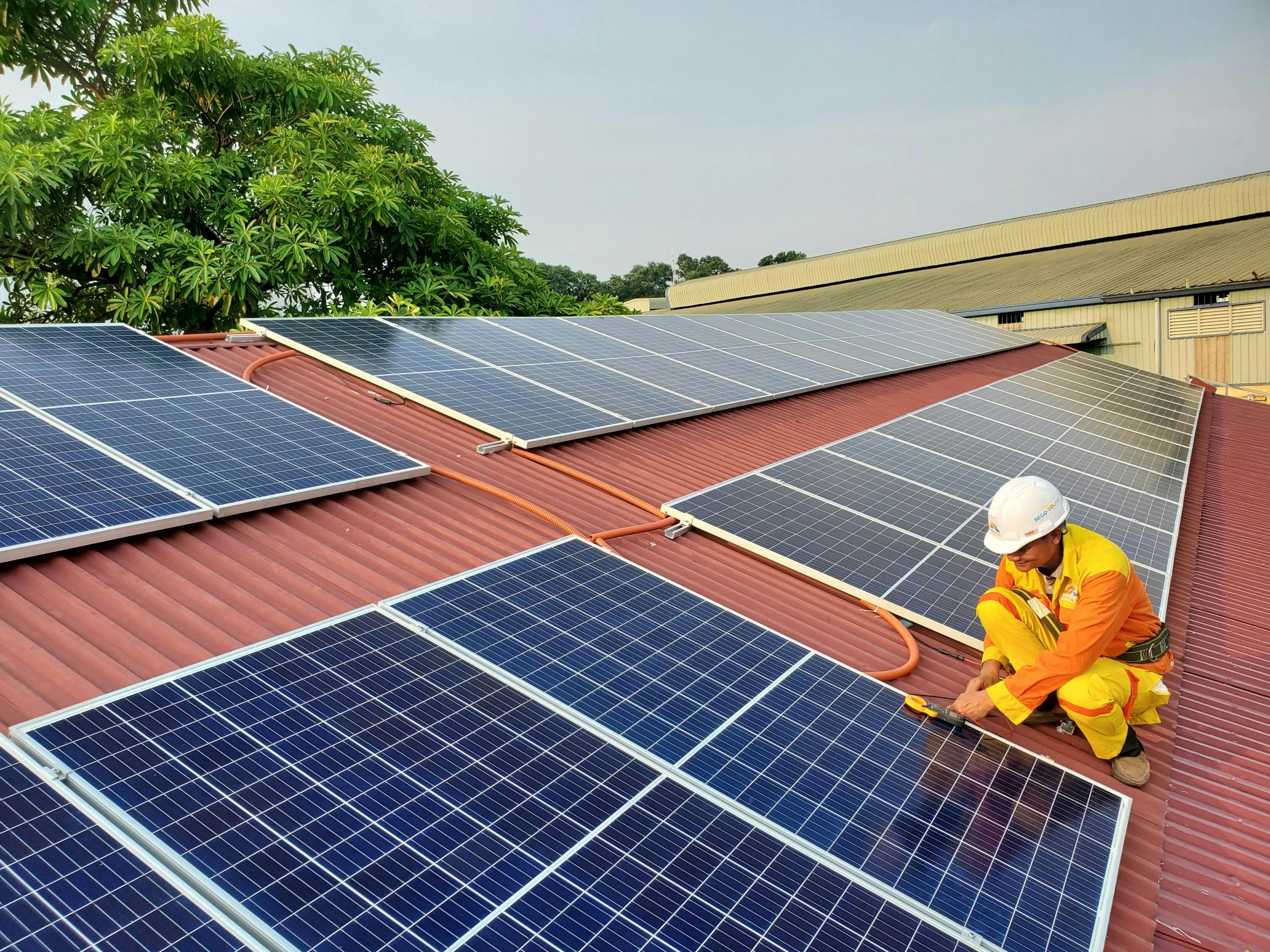
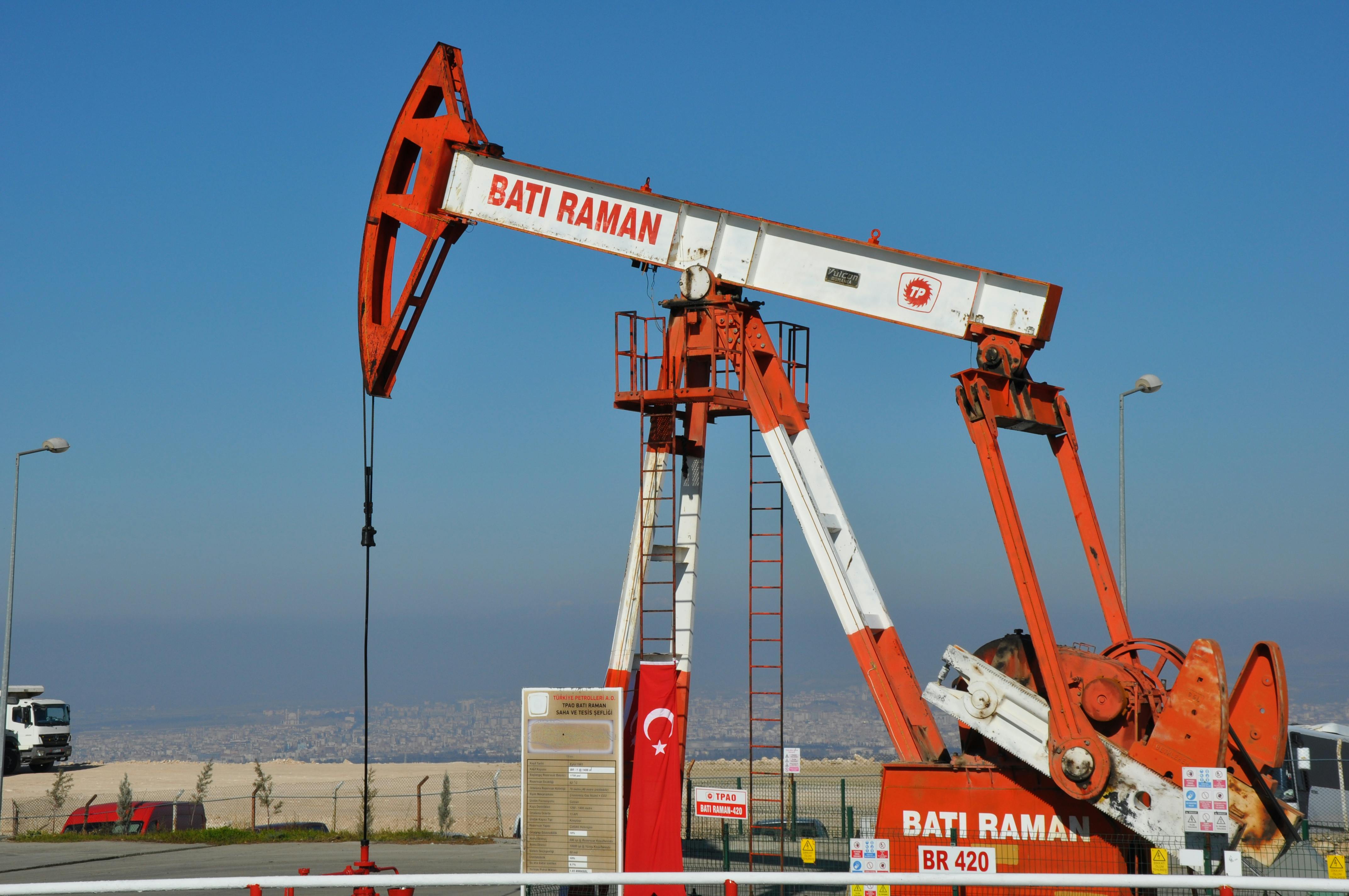
Meanwhile, the handful of key beneficiaries continue to be selected O&G (e.g. MISC) and plantation companies (e.g. KLK). We also foresee rising appeal of renewable energy companies; the solar sector uniquely appeals for the acceleration of structural demand (amplified by the relocation of data centres in the geopolitically stable Malaysia) while operational costs are largely unaffected by the Iran conflict.
With the market now transitioning into a low visibility and high volatility situation where the index upside is capped, stock selection becomes critical and we advocate for stock investors to have a portfolio of defensive yet tactical allocation, focusing on:
a) domestic earnings resilience with pricing power (consumer staples and healthcare),
b) quality high dividend yielders (REITs), and
c) direct/indirect beneficiaries of higher energy prices (O&G, Plantation, Solar and Utility companies)
Vincent Khoo is the Director of Strategy at UOB Kay Hian.
Editor Web: YAN PHENG LIANG
yanphengliang@suketv.com